


[rev_slider_vc alias=»cytotec-h-550″]
Comprar Pastillas Abortivas – Cytotec Panama
Somos un grupo de profesionales que estamos en mas de diez países, ofreciendo apoyo y respaldo a miles de mujeres que buscan soluciones y alternativas.

Cytotec Pastillas es el método que ha revolucionado el mundo en mas de 50 países, porque es seguro, no genera riesgos a la salud, es fácil de usar y no causa complicaciones.
La medicina avanza, la sociedad moderna busca nuevas alternativas que se adapten a las mujeres de hoy, libres y con autonomía propia, mujeres que buscan nuevos horizontes y con toda la capacidad de decidir por ellas mismas, sin que ello implique un problema.
Las mujeres de hoy deben reivindicar el derecho a la reproducción, a su sexualidad libre y a decidir que hacen con su cuerpo, sin que el Estado y la iglesia medie e imponga penas por no aceptar sus preceptos.

Venta de Cytotec Pastillas Abortivas en Panamá
¿Qué es el Metodo IVE?
La interrupción voluntaria del embarazo (IVE) en Panamá está consagrado en la Constitución como derecho fundamental y consiste en ponerle fin de manera voluntaria a un embarazo temprano.
Tratamiento con Cytotec Pastillas
EL Tratamiento con Cytotec pastillas abortivas es el mas seguro y efectivo a nivel mundial, su efectividad y seguridad ha sido comprobada desde hace mas de 20 años
Costos de las Pastillas Abortivas Cytotec
Los costos del medicamento Cytotec Misoprostol en Panamá varían de acuerdo a la ubicación, puesto que hay diferentes formas de entregas a convenir con el cliente.
Envíos, Entregas y Venta de Cytotec pastillas
Las entregas de pastillas abortivas cytotec se realizan en la puerta de su casa, el pago es en efectivo y contraentrega, usted llama a nuestros asesores, o por medio del Whatsapp y ellos le tomarán el pedido
Nuevos Farmacéuticos en Panamá
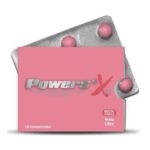
Activador Sexual Femenino
POWER X
Es un producto en forma de tabletas especializadas para mujeres que tiene componentes exclusivos que generan calor corporal durante el acto sexual, además de mantener la libido alta, aumentando el impulso fundamental y la fuerza creadora de la energía vital
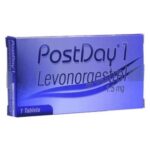
La pastilla del día después, también conocida como Postday, es una forma de anticoncepción de emergencia que se utiliza después de tener relaciones sexuales sin protección o cuando la protección falla. La Postday es una pastilla hormonal que contiene levonorgestrel.
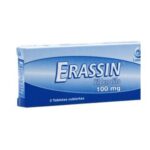
Ofrecemos una forma discreta y segura de pre-ordenar sildenafil en línea sin receta médica.
Para hacer esto, simplemente complete nuestro breve cuestionario médico.
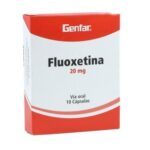
Pertenece a una clase de medicamentos conocidos como inhibidores selectivos de la recaptación de serotonina (ISRS). Estos medicamentos funcionan al aumentar la cantidad de serotonina en el cerebro,
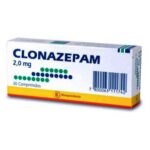
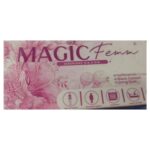
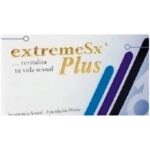
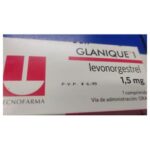
DELIVERY, ENTREGAS A DOMICILIO
Preguntas Frecuentes sobre la venta de cytotec, pastillas abortivas
En el código penal derogado de 1982 se llegó a despenalizar el aborto en tres circunstancias, las cuáles se encuentran en la legislación vigente (Art. 144 C.P. 2007) : A) POR RAZONES TERAPEÚTICAS, es decir por causas graves de salud que pongan en riesgo la vida de la madre, B) POR INDICACIÓN EUGENÉSICA, que ponga en peligro el embrión, a causa de deformidades y malformaciones que pueden ser por diferentes causas, y C) POR RAZONES ÉTICAS, cuando la mujer es víctima de violación. Y hay un cuarto caso y es cuando la mujer por razones psicológicas, o económicas y culturales no le es posible llevar a cabo un embarazo, por que afecta su parte emocional y física, en estos casos el aborto es completamente legal.
Muy fácil, el medicamento original de Pfizer viene en presentación de caja por 28 tabletas de 200 mcg c/u y tiene todos los registros Sanitarios al respaldo y en el empaque metálico plateado empacado al vacío. Es importante que antes de recibir el producto se cerciore que tenga fecha vigente y que el empaque esté en perfecto estado, las tabletas originales llevan grabado el número 1461.
Cytotec Misoprostol actúa generando contracciones uterinas; dilata y madura el cuello uterino para dar paso al saco gestacional ya desprendido de la parte superior del útero, es así como se interrumpe el embarazo casi 5 horas después de su uso. Es un método rápido, efectivo y no genera ninguna complicación.

Bienvenido a nuestra sección de preguntas frecuentes. Aquí encontrarás algunas preguntas frecuentes sobre el uso del misoprostol para abortar:
¿Es un aborto con misoprostol menos doloroso que otros métodos?
En general, se considera que el aborto con misoprostol es menos doloroso que el aborto quirúrgico. Sin embargo, el dolor y las molestias pueden variar dependiendo de factores individuales como la tolerancia al dolor, la edad gestacional y la dosis de medicación.
¿Cómo funciona el misoprostol para abortar?
¿Cuál es la eficacia del misoprostol para interrumpir un embarazo?
¿Puede el misoprostol provocar infertilidad u otros efectos a largo plazo?
¿Cuál es el proceso de utilización de píldoras abortivas como el misoprostol?
¿Qué debo esperar después de tomar misoprostol para abortar?
¿Cuándo puedo reanudar la actividad sexual después de un aborto?
¿Cómo puedo saber si el misoprostol que tengo es auténtico y seguro?
¿Cuál es la situación actual del acceso al aborto seguro en Sudamérica?¿Cuántas pastillas de misoprostol tengo que colocarme para que funcione?